Ozone 12 or a mastering engineer: what AI does and what it does not
I use Ozone too. That is exactly why I know where it works and where an outside ear still makes the difference.
- Ozone 12 came out in September 2025 at $55 (Elements), $219 (Standard) or $499 (Advanced).
- What is new: Stem EQ, Bass Control, Unlimiter, the IRC 5 limiter and a Master Assistant with a customisable flow.
- It handles the technical side well: tonal balance, loudness, peak control.
- It cannot tell you whether the mix is ready, or hear the song the way a first-time listener does.
Ozone is a serious tool, not a toy. I use it myself, at some points in my chain. That is exactly why I know where it works and where it stops. The right question is not whether Ozone is good: it is what job you are asking it to do.
In recent years automatic mastering has become the first choice for many independent producers. It is cheap, immediate, and the results are often decent. But “decent” and “ready for release” are not the same thing. In this article I explain what Ozone 12 really does, what a mastering engineer does, and how to work out which one you need.
What mastering is, in two lines
Mastering is the last step before release. You take the finished stereo mix and prepare it for the world: tonal balance, dynamics, loudness, consistency between the songs on a record, peak control and delivery formats. Above all, it is a second listen by someone who has not spent weeks inside the song.
What Ozone 12 does well
Stem EQ. It separates vocals, drums, bass and instruments inside a stereo file and lets you EQ them independently. Very useful when you only have the mix and cannot go back to the tracks.
Bass Control. More targeted low-end management, keeping kick and bass in check without hollowing out the track.
Unlimiter. It tries to rebuild the transients of a file already squashed by a limiter. No miracles, but on an over-compressed mix it can give back some breathing room.
IRC 5. The new Maximizer algorithm, for raising loudness with less pumping and less distortion.
Master Assistant. It listens to the track and proposes a chain. In version 12 you decide how it intervenes, instead of accepting a ready-made preset.
The comparison
| Ozone 12 | Mastering engineer | |
|---|---|---|
| Cost | one-off, from $55 | per track |
| Turnaround | minutes | from 48 hours |
| Verdict on the mix | no | yes, before starting |
| Listening | your monitors, in your room | a reference room and chain |
| Chain | digital only | digital, hybrid or analogue |
| Album consistency | you build it yourself | part of the job |
| Revisions | you do them yourself | you ask for them |
The real limit: your room
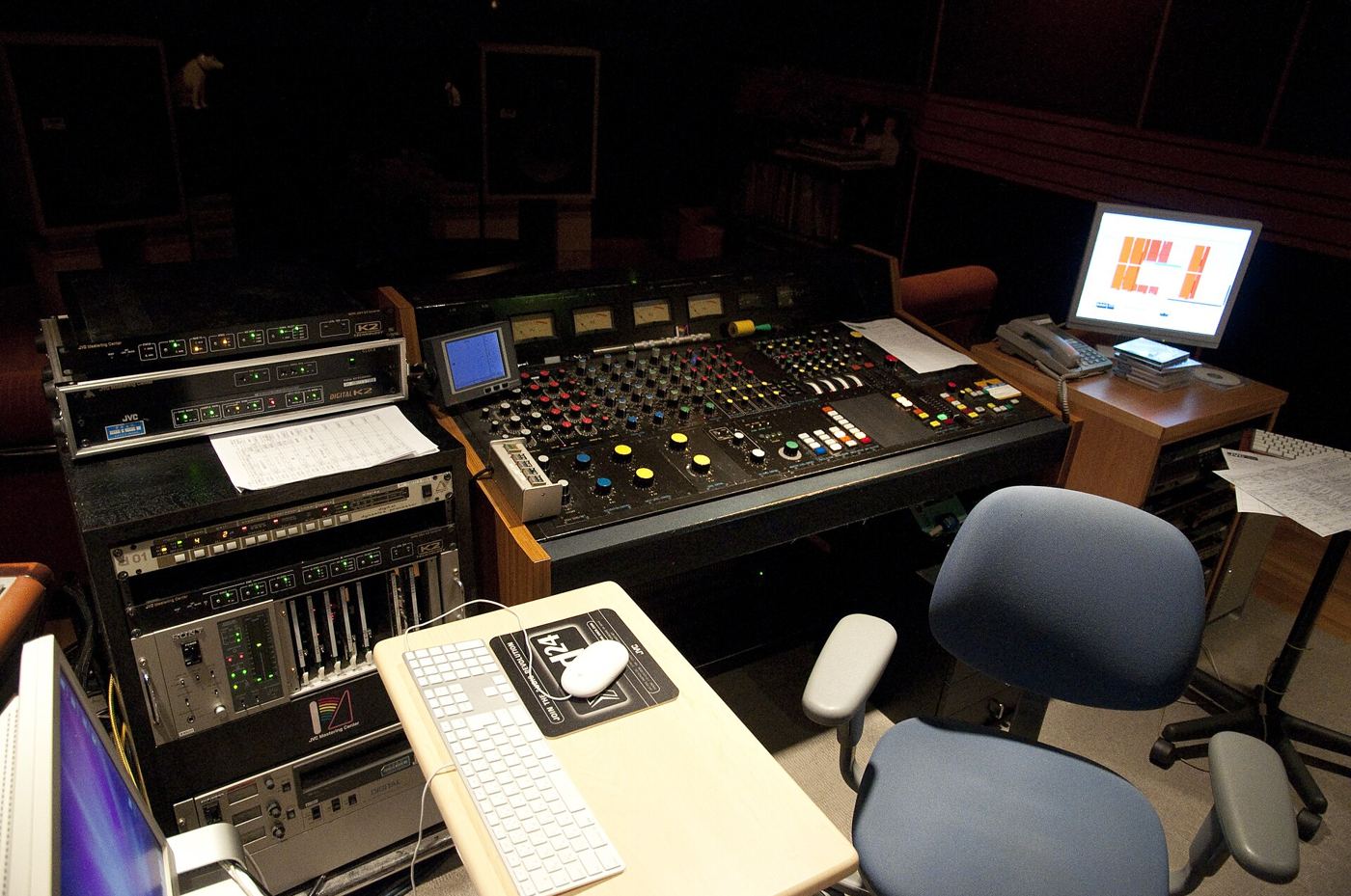
Ozone gives you extremely precise tools. But you make the decisions, listening on your monitors, in your room. If your room has a dip at 80 Hz, the EQ will seem right while you are actually adding too much bass. If your speakers are bright, you will cut highs the track needed.
The Master Assistant does not solve this: it analyses the file, not your listening. And analysis tells you where the frequencies are, not whether the song works. A vocal too low in the mix, a chorus that does not lift, a kick clashing with the bass: those are mix problems, and no mastering assistant will flag them.
What a mastering engineer adds
Tells you whether the mix is ready. Often the problem is not in the master but in the mix. A good engineer tells you before starting, so you fix it at the source instead of patching it downstream.
Listens in a controlled environment. Calibrated monitors and room, so you hear exactly what happens at the bottom and the top.
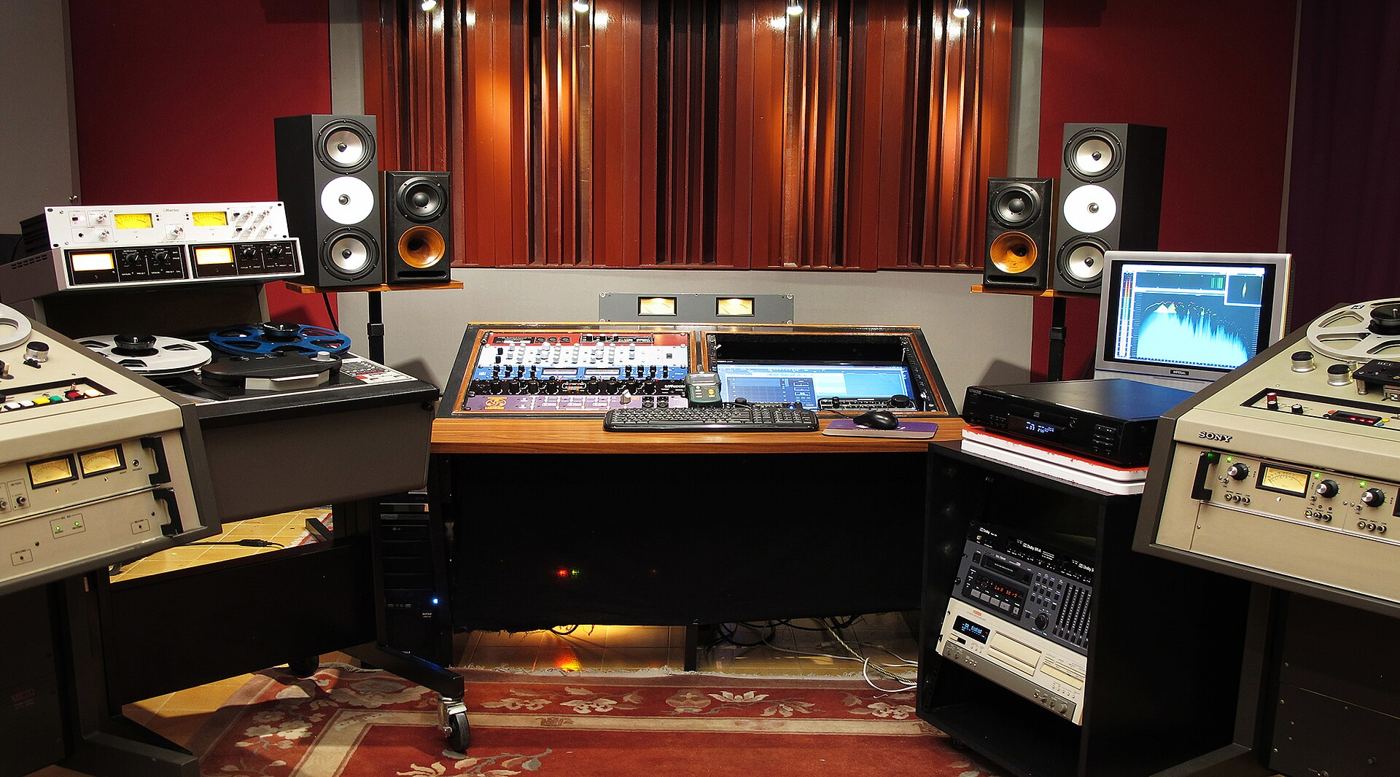
Uses a chain chosen for your track. Mine is hybrid: analogue compression, Pultec-style EQ, a real tape machine for harmonics and low-end density, then digital tools for final precision.
Makes a project consistent. On an EP or album the songs have to sound like a family: the same character, consistent loudness, natural transitions.
Takes care of delivery. Formats, true peak, metadata, streaming versions and vinyl versions if needed.
AI tells you where the frequencies are. An engineer tells you whether the song works.
When Ozone is enough and when it is not
Ozone is great for: demos, tracks to upload the same evening, songs for social media, experiments to learn what each processor does.
You need an engineer for: label releases, EPs and albums that need consistency, songs you have invested months in, tracks that must sound good on every system.
If you master yourself: 5 tips
- Leave room for mastering. Export the mix peaking around -6 dBFS with no limiter on the bus.
- Compare at the same level. A louder master always sounds better. Turn it down to the mix level before judging.
- Use reference tracks. Compare with songs you like in the same genre.
- Check true peak. I stay between -0.3 and -0.2 dBTP with a true peak limiter, as I explain in the article on true peak.
- Listen on several systems. Headphones, car, phone, Bluetooth speaker.
To work out how loud your master should be, read how loud should your master be.
Frequently asked questions
Does Ozone replace an engineer? For demos, yes. For an important release, no: you lose the second pair of ears and the verdict on the mix.
Can I send an engineer a master I already made with Ozone? Better to send the mix without a limiter on the bus. Your own master is useful as a reference for what you like.
Is Ozone 12 a good buy? Yes, especially for learning and for handling your own tracks independently.