Does vinyl really sound better than streaming?
Vinyl is having its best moment in forty years. There are plenty of reasons to love it, but not every claim you hear is true.
- In 2025 US vinyl sales passed $1 billion for the first time since 1983: 46.8 million records.
- Vinyl is not “more faithful” than a lossless file. It is different: it has its own sound, limits and ritual.
- A record often sounds better because it has a master made for vinyl, with less compression.
- The physical limits of the groove force specific choices about bass, sibilance and side length.
Vinyl was supposed to disappear. First the CD, then MP3, then streaming: every new format was more convenient, lighter, cheaper. Instead the record came back, and it is no longer a niche for collectors.
According to the RIAA’s annual report, US vinyl sales grew for the nineteenth year in a row, up 9.3% in 2025, passing $1 billion for the first time since 1983. The United States now accounts for almost half of the world market for the format, and vinyl outsold CDs by more than three to one in value.
But does vinyl really sound better than streaming? The honest answer is: it depends on what you mean by “better”. Let us separate the technology from the charm.
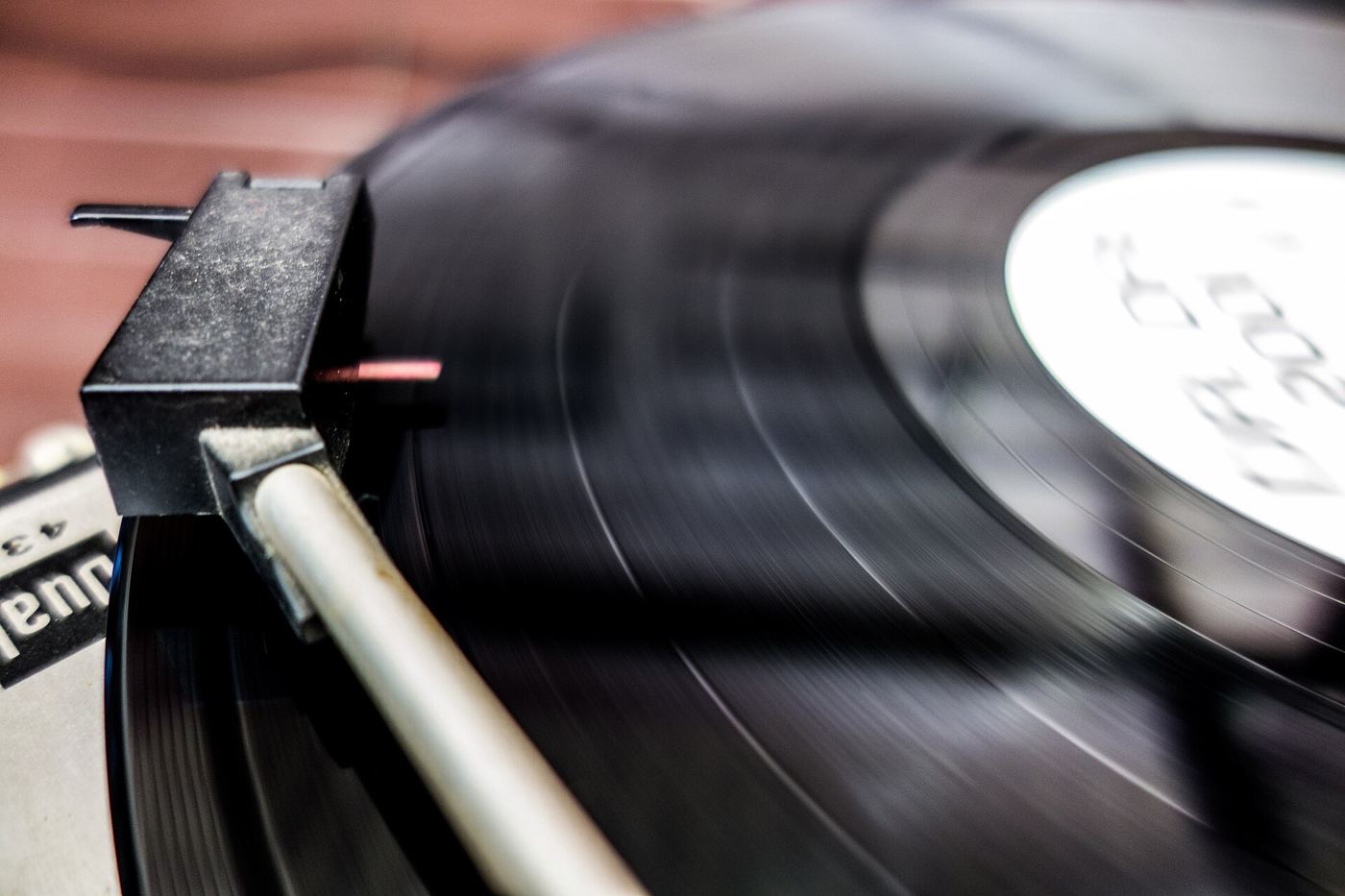
How a record works
A record is a carved sound wave. The master is cut into a lacquer disc by a stylus that moves with the sound, and the stampers for pressing are made from that. At home, the stylus travels the groove and its vibrations become sound again.
It is a mechanical system, and precisely because of that it has physical rules that streaming does not.
What vinyl does better
The master. Many records get a dedicated master, less squashed than the streaming one. So vinyl sounds more dynamic and breathes more. That is not the medium’s merit, it is the choice’s.
The listening. You drop the needle, hear a whole side, look at the sleeve. You cannot skip a track with one finger. You listen more carefully, and attention changes everything.
The character. The playback chain, from stylus to preamp, adds a slight colour: small harmonic distortions many people hear as “warmth”.
The object. A big sleeve, a booklet, coloured editions. For an artist it is also a product to sell at shows and a concrete way for fans to support them.
What vinyl does worse
Bass. Very low frequencies must be centred and cannot be too loud, or the stylus jumps out of the groove. That is why a vinyl master puts the low end in mono.
Highs and sibilance. Loud “s” sounds and pushed highs distort. Towards the centre of the record the stylus moves more slowly relative to the groove and detail drops.
Length. The more music on a side, the narrower the groove and the lower the level. A side that is too long sounds quieter and noisier.
Noise. Crackle, dust, scratches: part of the charm, not of the fidelity.
Wear. Every play wears the record a little. A file stays identical forever.
The comparison
| Vinyl | Lossless streaming | |
|---|---|---|
| Fidelity to the original | high, with physical limits | identical to the master file |
| Dynamics | often wider thanks to a dedicated master | depends on the master |
| Bass | mono, controlled | no limits |
| Background noise | present | absent |
| Wear | yes | no |
| Experience | ritual, object, artwork | convenience, endless catalogue |
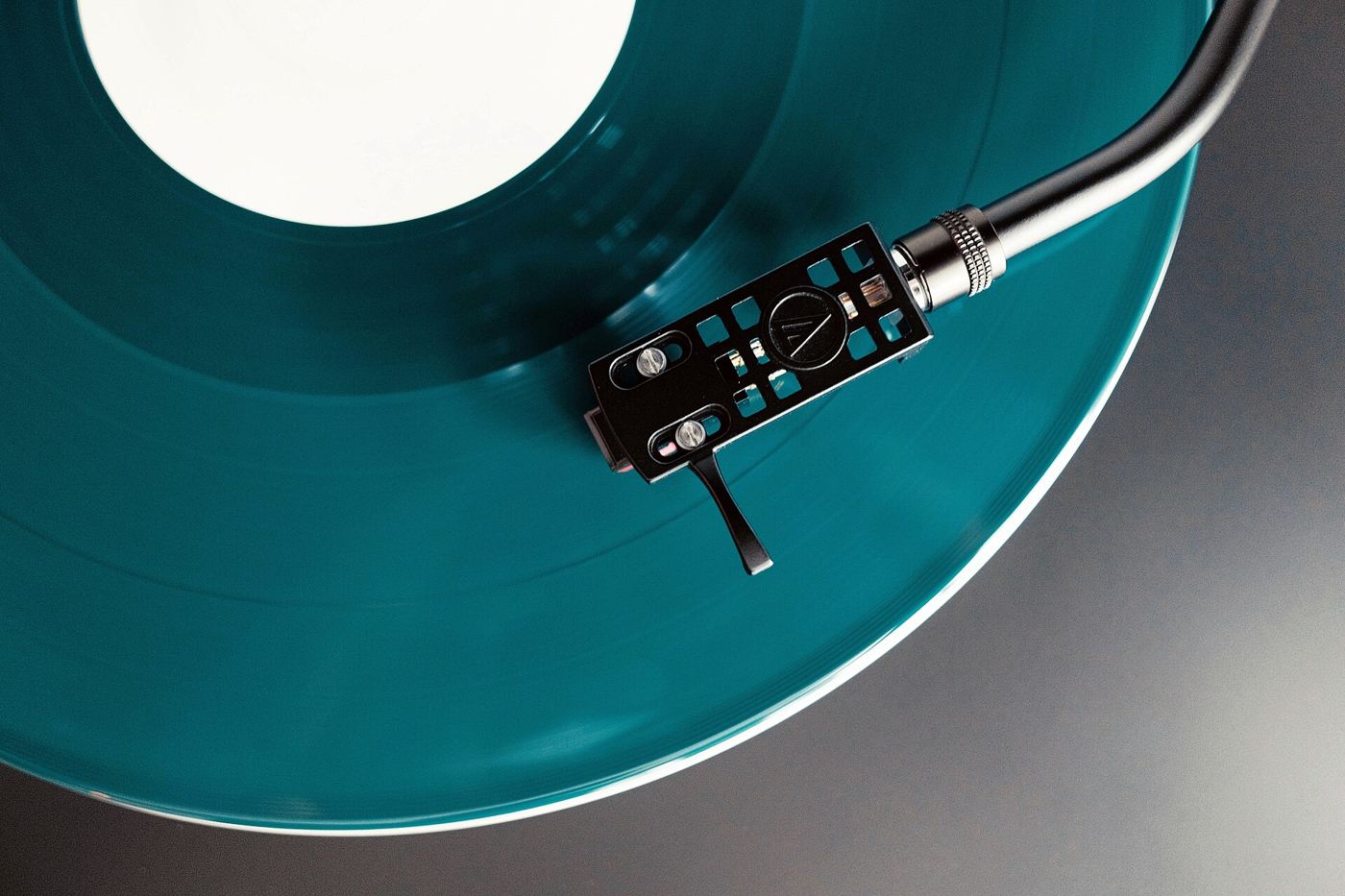
Why many people think it sounds better
The less compressed master. The main reason. The same song, with less compression and limiting, sounds more open and natural.
The lower level. A record usually plays quieter than a song on Spotify. You turn the system up to listen, and at higher volume music sounds fuller.
Attention. You listen to a record calmly, seated, with no notifications. The listening changes, not just the sound.
Colour. The small harmonic distortions of the analogue chain make the sound softer and rounder.
Vinyl does not sound better because it is vinyl. It sounds better when someone decided to make it sound better.
Mastering for vinyl
If you are pressing a record, the streaming master is not enough. It needs different choices:
- Mono bass below a certain frequency.
- Controlled sibilance with firmer de-essing.
- Planned side length: for a 12-inch at 33 rpm, stay around 18-20 minutes per side.
- Thoughtful running order: delicate tracks are best at the start of a side, where the groove is wider.
- Less limiting: vinyl does not need to be as loud as streaming.
A vinyl master is a job of its own. To see what changes, read the article on analog mastering, the one on master delivery formats and the guide to de-essing.
Frequently asked questions
Is a record “analogue” even if the song was recorded digitally? The medium is analogue, but the chain before it can be entirely digital. Today almost all records start from a digital master.
Is it worth buying vinyl for quality? It is worth it for the experience and to support the artist. For pure fidelity, a lossless file is more precise.
Does a 45 rpm record sound better? Generally yes: at higher speed there is more room for detail, but less music fits on a side.