Lossless music on Spotify, Apple Music and Tidal: can you really hear it?
Now that Spotify has lossless too, every major service sounds “like a CD”. But with Bluetooth headphones and a phone, how much of it reaches your ears?
- Lossless means the file loses no information compared with the original. It is the opposite of MP3 and AAC, which discard data to save space.
- Spotify has offered lossless to Premium subscribers since September 2025, up to 24-bit/44.1 kHz FLAC, at no extra cost.
- Apple Music and Tidal go up to 24-bit/192 kHz.
- To hear the difference you need well-connected headphones or speakers: over standard Bluetooth, lossless does not arrive intact.
Every day I spend hours listening to the same song in different formats: the master file in the studio, the platform version, the compressed version that reaches a phone. The difference is real, but not always where you think. And often the bottleneck is not the streaming service, but what sits between the phone and your ears.
With lossless arriving on Spotify in 2025, all the big services finally offer music at “CD quality” or better. Let us look at what that means, what differs between services and what you actually need to hear it.
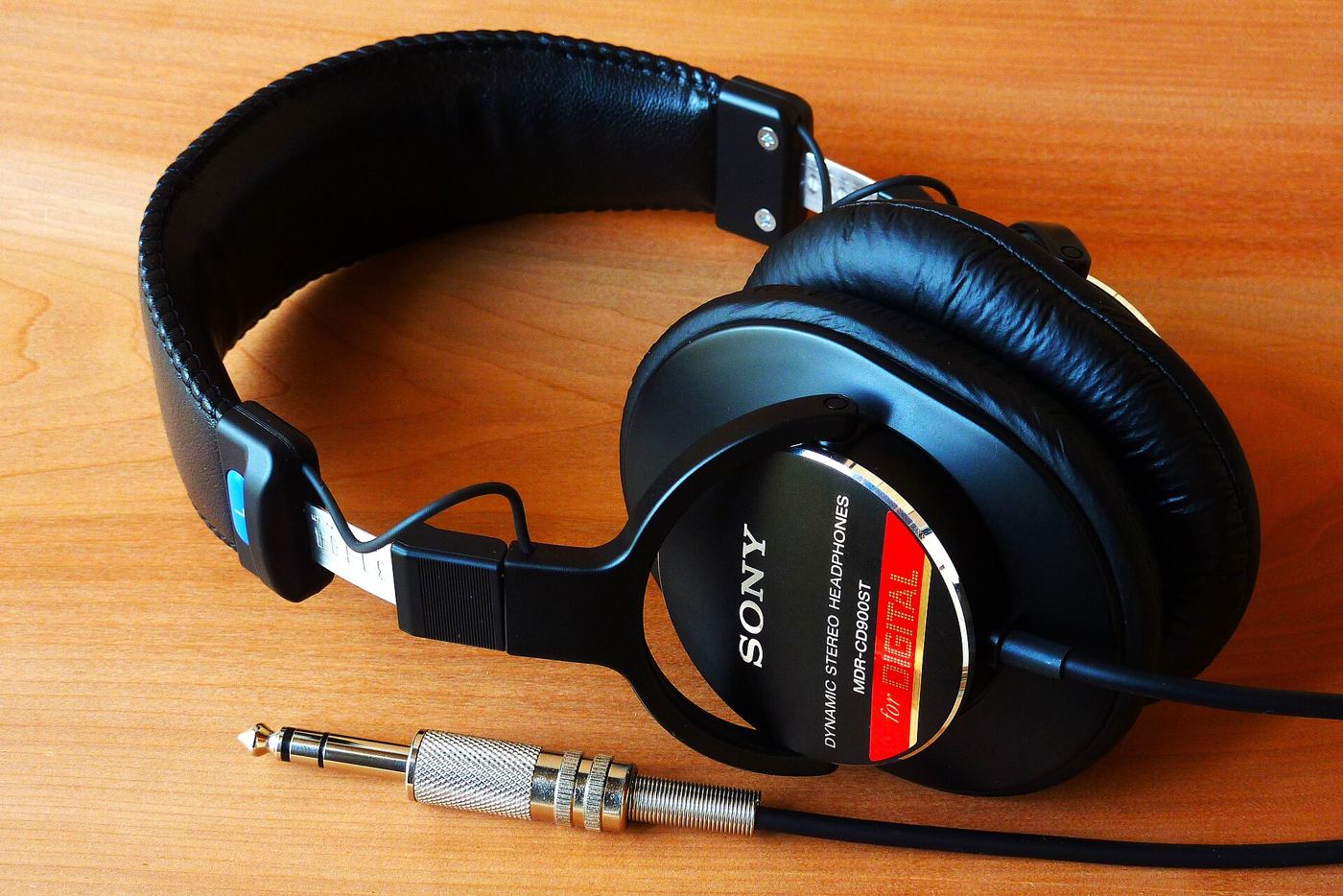
What lossless means
A digital audio file is a long series of numbers describing the sound wave. More numbers per second (the sample rate, for example 44.1 kHz) and more precision for each number (the bit depth, for example 16 or 24) mean a more faithful description.
An uncompressed file is big. That is why there are two ways to shrink it:
Lossy compression. MP3, AAC and Ogg Vorbis discard the parts of the sound that, according to a model of hearing, you would notice least. The file gets much smaller, but what was removed never comes back.
Lossless compression. FLAC and ALAC work like a zip archive: the file is smaller than the original, but when you play it, it is identical bit for bit.
What 16-bit, 24-bit and 44.1 kHz mean
16-bit/44.1 kHz is CD quality. 16 bits give about 96 dB of dynamic range, more than normal listening needs. 44.1 kHz reproduces frequencies up to about 22 kHz, beyond the limit of human hearing.
24-bit/96 or 192 kHz is high resolution. In the studio it is very useful: working at 24-bit gives headroom to process sound without building up noise. For final listening, the advantage over CD is minimal and very hard to perceive.
The services compared
| Maximum quality | Format | Extra cost | |
|---|---|---|---|
| Spotify Premium | 24-bit/44.1 kHz | FLAC | none |
| Apple Music | 24-bit/192 kHz (Hi-Res Lossless) | ALAC | none |
| Tidal | 24-bit/192 kHz | FLAC | included in the plan |
Spotify began rolling out lossless on 10 September 2025, in more than 50 markets by October. You have to switch it on manually on each device, in the audio quality settings, and it uses far more data: better to download songs on Wi-Fi.
On Apple Music, Lossless runs from 16-bit/44.1 kHz to 24-bit/48 kHz; above 48 kHz it is called Hi-Res Lossless, which needs an external converter connected to the phone or computer.
The real bottleneck: Bluetooth
This is where many people are surprised. Bluetooth does not have enough bandwidth to carry a full lossless file. The phone decodes the FLAC and then re-compresses it with a Bluetooth codec:
- AAC, used by iPhone and AirPods, around 256 kbps.
- aptX, on compatible Android phones, 352 kbps.
- LDAC, from Sony, up to 990 kbps: very good, but still lossy.
An uncompressed CD needs about 1,411 kbps. So with the most common wireless headphones, lossless does not reach your ears: a re-compressed version does. Newer codecs such as aptX Lossless get close, but you need a compatible phone and headphones. More in the guide to Bluetooth headphones and codecs.
What you actually need
- A wired connection, or headphones and phone with a lossless codec.
- Good headphones or speakers. A good pair of wired headphones makes more difference than any format.
- A quiet environment. On the underground or in the car, noise masks every detail.
- Well mixed and mastered songs. The format does not improve a bad master.
Can you hear it?
The biggest jump is not between lossless and hi-res, but between distracted and attentive listening. Between a well-made AAC and a FLAC, on good headphones in silence, some people hear differences in the details: a reverb tail, the space between instruments, the top of the cymbals. Between CD quality and high resolution, the difference is almost always imperceptible.
The format matters. But what is inside the file matters more.
For music makers
A master has to sound good in every format, from FLAC to the AAC that reaches wireless headphones. That is why I check true peak and listen to compressed versions before delivery: that is where hidden distortion shows up. I stop between -0.3 and -0.2 dBTP with a true peak limiter.
If you want to understand what happens between the studio and your phone, also read why volume changes between songs.
Frequently asked questions
Does lossless use more data? Yes, much more. A FLAC track is several times the size of a normal-quality track.
Do I hear lossless on AirPods? Not over Bluetooth: it arrives as AAC.
Should I switch services for quality? Today all the big services offer lossless. Choose by catalogue and how much you like the app.