Free tape: Analog Obsession TheMachine vs CHOW Tape
Two free tape plug-ins, two philosophies: few controls and quick results, or a physical model to explore.
- Analog Obsession TheMachine is free from Patreon, in VST3, AU and AAX (AudioSuite too) for Mac and Windows.
- CHOW Tape is open source, born as a physical model of the Sony TC-260 and now far more flexible.
- TheMachine is perfect for quick decisions; CHOW Tape for chasing a specific character.
- For mastering, and for specific calibrated machines, paid emulations or real tape are still better.
For decades magnetic tape was the recording medium for all music. Then digital arrived: cleaner, more convenient, cheaper. Yet many engineers, me included, still use tape or its emulations today. The reason is simple: tape does not record perfectly, and its imperfections sound good.
In late October 2026 Analog Obsession released TheMachine, a free emulation of a tube-driven tape recorder. I compare it with CHOW Tape, the other big free plug-in in the category, and explain how and where to use them.
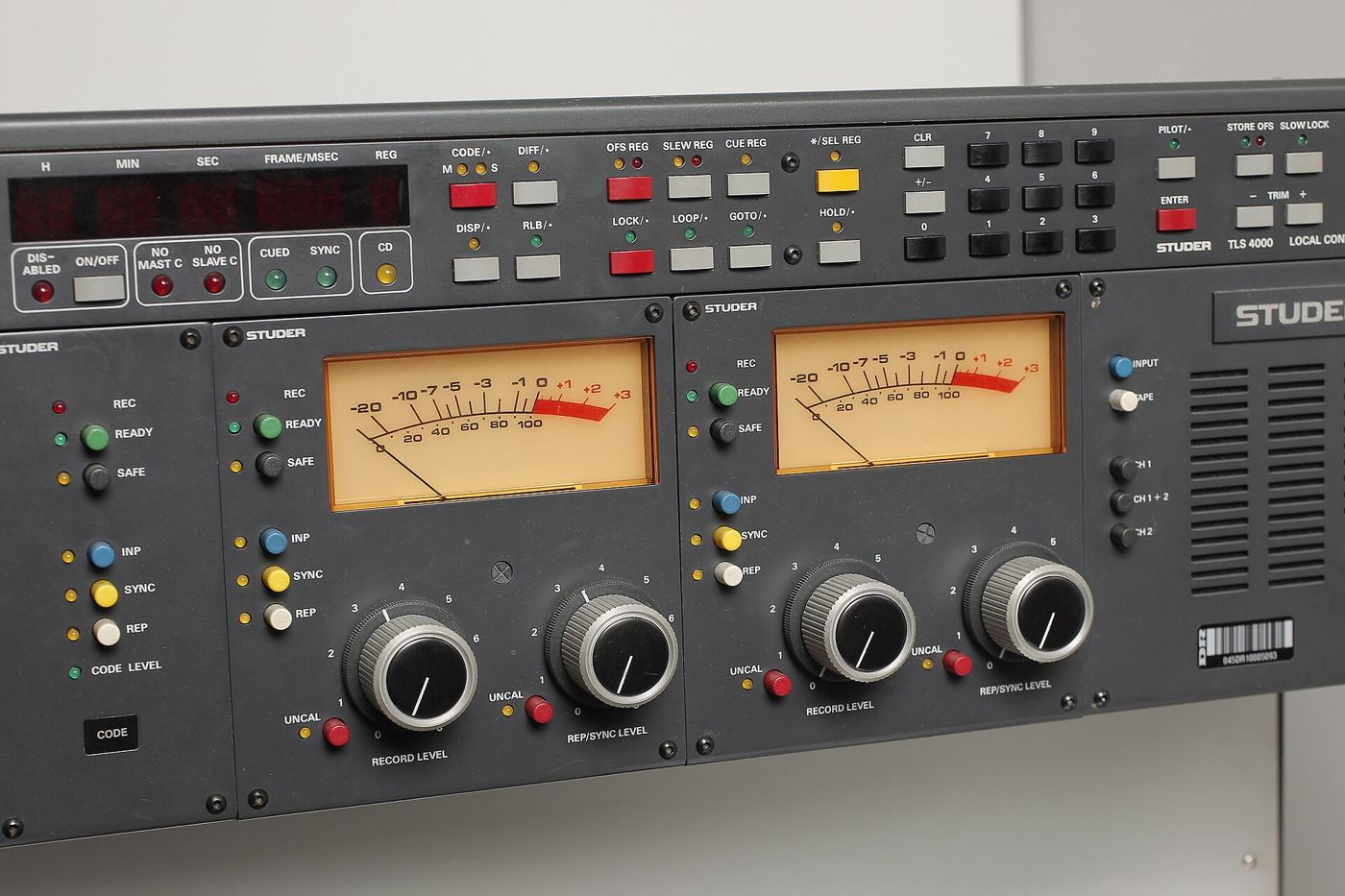
What tape does to sound
Soft saturation. When the signal is hot, tape does not clip abruptly like digital: it compresses and saturates progressively, adding harmonics that make the sound fuller.
Rounded transients. Very fast attacks, such as a kick or snare, are slightly softened. The sound becomes less aggressive and more “glued”.
Low-end density. At certain speeds tape has a bump in the low frequencies, the head bump, which adds body to kick and bass.
Wow and flutter. Small speed variations that make the sound slightly unstable and alive. In small doses they add warmth; in large doses they become a lo-fi effect.
Noise. Tape hiss, used today more as an aesthetic choice than as a flaw.
The comparison
| TheMachine | CHOW Tape | |
|---|---|---|
| Price | free | free, open source |
| Speed | 7.5 and 15 ips | more options |
| Controls | Input, Drive, Output, Speed, Wow & Flutter, Noise, Bias | many physical-model parameters |
| Formats | VST3, AU, AAX Native and AudioSuite | also CLAP and LV2 |
| Reference machine | not stated | based on the Sony TC-260 |
TheMachine in detail
The interface is minimal: Input, Drive, Output, tape speed, Wow & Flutter, noise and Bias. The input is gain-compensated, so you can push the drive without level jumps and compare the sound with and without tape honestly. Noise runs from -120 to -40 dB.
Rare for a free plug-in: alongside VST3, AU and AAX Native there is an AudioSuite version for Pro Tools, so you can print the effect straight onto a clip.
CHOW Tape in detail
An open-source project that began as a physical model of the Sony TC-260 and grew a lot. It has more parameters, more machine and tape types, and goes from the subtlest colour to extreme lo-fi. It takes longer to understand, but it is a very deep tool. It is also available as CLAP and LV2, so it runs almost everywhere.
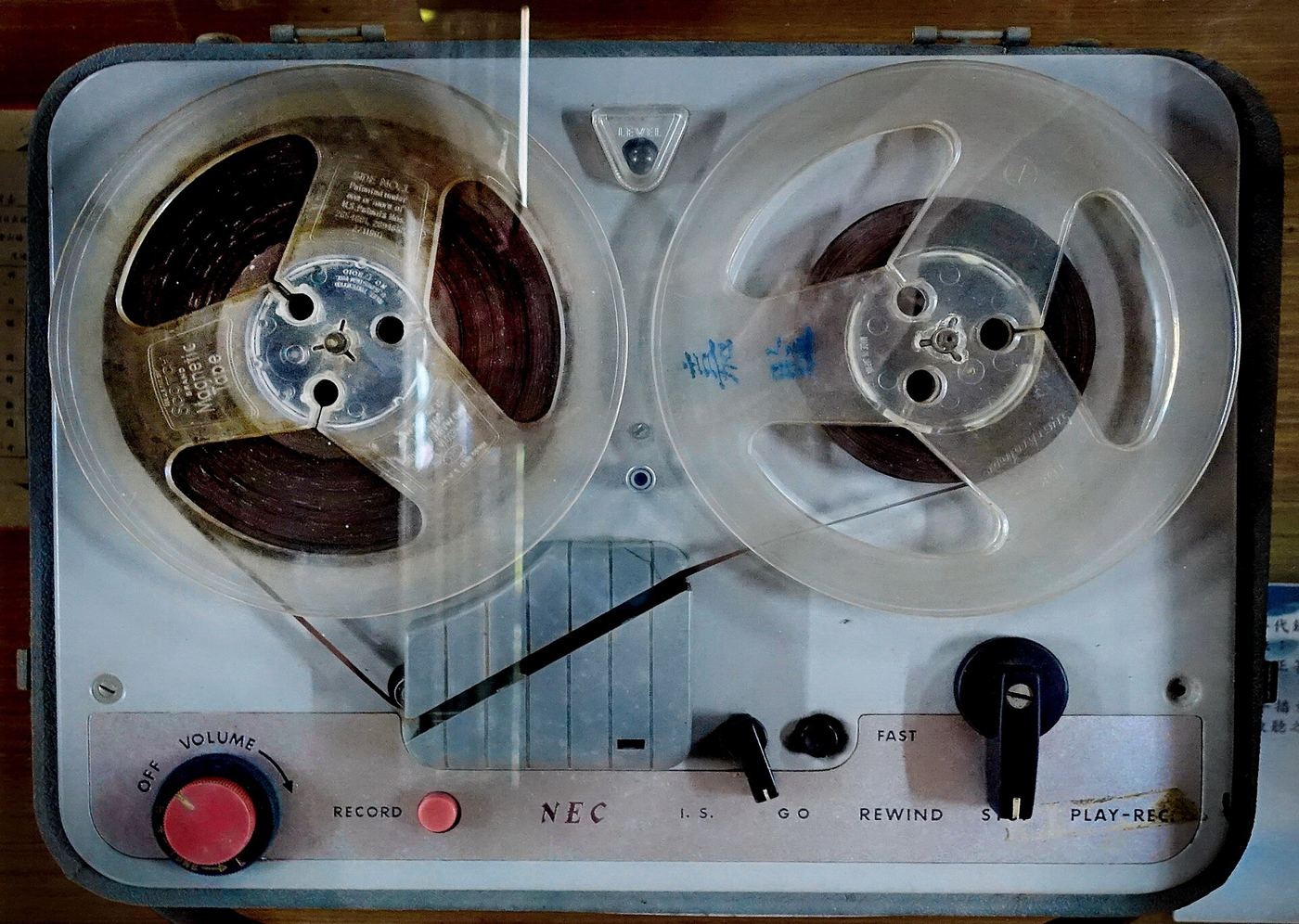
You do not hear tape when you add it. You hear it when you take it away.
Where to use them, instrument by instrument
Drums. On a drum bus, a touch of tape holds the transients together without a compressor. On a single kick it adds body through the head bump.
Bass. It makes the bass more audible even on small speakers, thanks to the harmonics.
Digital synths. It takes the edge off and makes sounds more organic.
Vocals. Carefully: little drive, no obvious wow and flutter. It can warm up a vocal that is too clean.
Mix bus. A light touch can glue the mix, but here you want calibrated, predictable plug-ins.
Mistakes to avoid
Tape on every track at full drive. Saturation adds up: ten lightly saturated tracks make an already heavily coloured mix.
Comparing at different levels. Tape adds harmonics, and the sound seems “better” just because it is louder. Use the level compensation.
Using them on the master. Mastering needs named, calibrated and predictable machines, or real tape. My mastering chain has a real tape machine, which I use for harmonics and low-end density.
Free or paid?
Today’s free plug-ins are excellent for mixing. Paid ones offer emulations of specific machines with precise calibrations and documented behaviour, and are better suited to mastering and to anyone who wants a recognisable, repeatable sound. To start understanding tape, TheMachine and CHOW Tape are more than enough.
Frequently asked questions
Does TheMachine run on Linux? The stated formats are for Mac and Windows. CHOW Tape is also available as LV2.
Which speed should I choose? 15 ips for a cleaner sound with extended highs, 7.5 ips for more colour and a fatter low end.
Does tape replace a compressor? Partly, on transients. It does not replace dynamic control on a vocal.
To work out how much saturation you need and where, read the guide to saturation in mix and master.