Logic Pro, Pro Tools or Ableton Live for mixing in 2026
The DAW does not make the mix. But it changes how long it takes, what you spend and how easily the project travels to whoever finishes it.
- Logic Pro 13: $199.99 once, Mac only. The best value in terms of included tools.
- Pro Tools: subscription, from $99 a year (Artist) to $299 (Studio) and $599 (Ultimate). The studio standard.
- Ableton Live 12: perpetual licence from $99 (Intro) to $349 (Standard) and $749 (Suite). The fastest for producing.
- All three are fine for mixing. What changes is speed, cost and how easily a project moves to a studio.
I receive sessions from all three DAWs every week. I do the final mix in my studio, but the program a song is born in changes a lot about how the tracks arrive: how they are named, how many effects are already printed, how tidy the gain staging is.
The question “which DAW is best for mixing?” has an honest answer: it depends on what you do before the mix. One DAW does not sound better than another. Logic, Pro Tools and Ableton’s audio engines produce the same result with the same files and settings. What changes is the workflow, and the workflow changes the decisions you make.
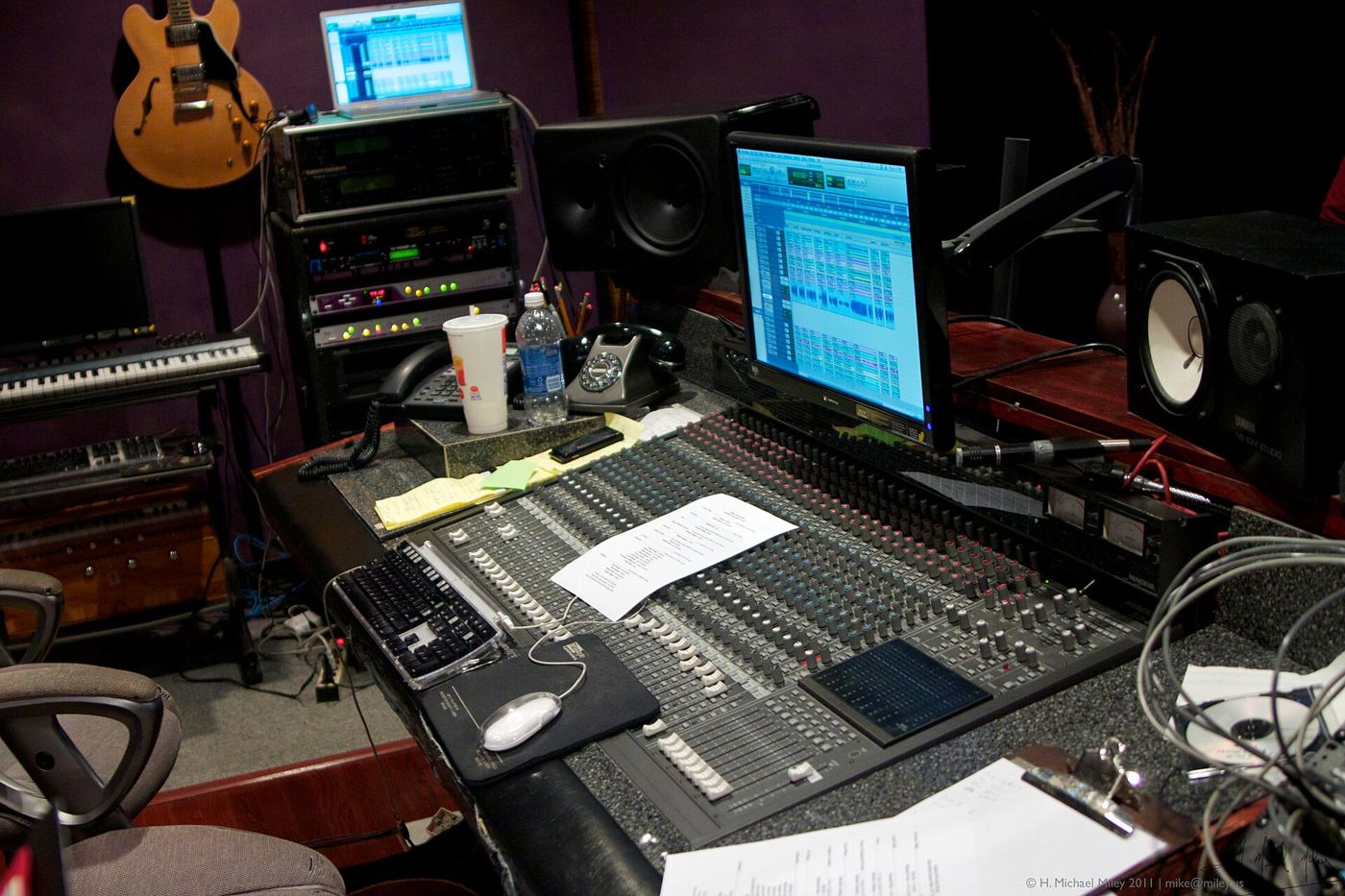
The comparison
| Logic Pro 13 | Pro Tools | Ableton Live 12 | |
|---|---|---|---|
| Licence | one-off purchase | subscription | perpetual |
| Price | $199.99 | $99 / $299 / $599 a year | $99 / $349 / $749 |
| Systems | Mac only | Mac and Windows | Mac and Windows |
| Strength | included instruments and plug-ins | editing and exchange with studios | production speed |
| Recent news | unified browser, Stem Splitter for drums | stem separator in 2026.11 | Link Audio in 12.4 |
| Best for | songwriters, pop producers, Mac home studios | engineers, bands, post-production | electronic music, live, beatmakers |
Logic Pro 13
Its main strength is what is inside. For under $200 you get a complete DAW with compressors, EQs, reverbs, saturators, virtual instruments and a huge sound library. The stock plug-ins are enough for a serious mix: the compressor has several circuit models, ChromaVerb is an excellent reverb, Channel EQ is precise and light.
Updates are free. People who bought Logic years ago have received every later version without paying.
The limit is the platform. It only runs on Mac. And if you work with studios on Pro Tools, you have to export your tracks: there is no direct session exchange.
More detail in the article on Logic Pro 13.
Pro Tools
It is still the studio standard. Walk into a professional control room and you will almost always find Pro Tools. Sessions move between studios without surprises, which matters when you record in one place, mix in another and master in a third.
Audio editing is the fastest. Cutting, aligning, fixing fades, working with clip gain: for anyone editing lots of tracks, Pro Tools is still unbeatable.
The cost is the subscription. You pay every year, and the higher tiers are expensive. For a producer working alone it may be too much; for an engineer it is a business cost. What is new in 2026.11 is here.
Ableton Live 12
For writing music it is unbeatable. Session View, where you launch clips and ideas freely, is why almost all of today’s electronic music starts in Ableton. It is also the reference DAW for playing live.
For mixing it is great, with some care. The mixer is more minimal than the other two, and the habit of stacking many effects can push levels out of control. Keep your gain staging tidy and you will be fine. I covered 12.4 here.
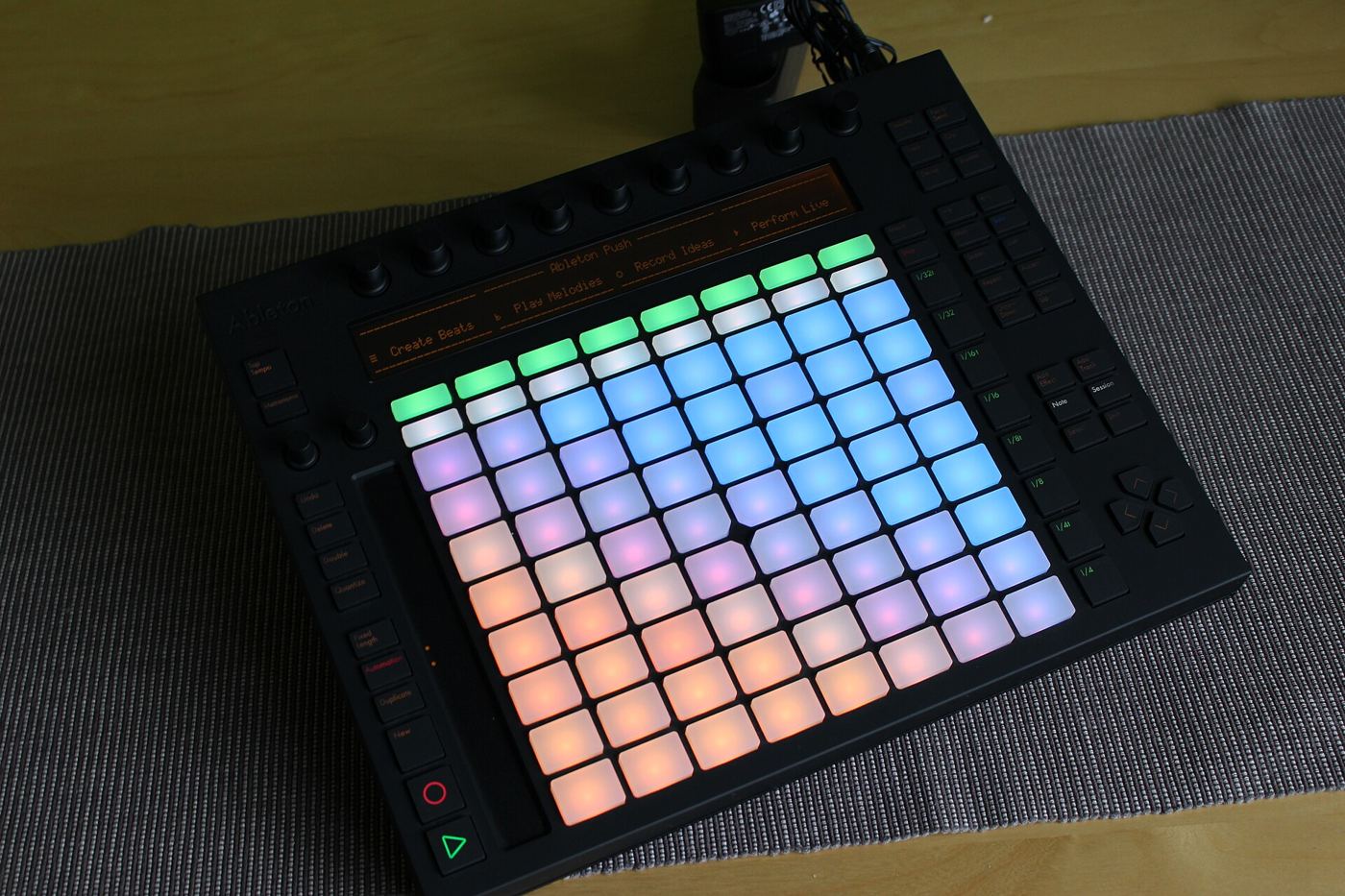
What really matters for the mix
Gain staging. Healthy levels into plug-ins, no channel in the red, headroom on the master bus. True in every DAW. I wrote a guide to gain staging in your DAW.
Organisation. Named, coloured tracks grouped by family. A tidy mix is a faster mix.
Knowing your tools. A few plug-ins you know inside out beat a hundred used at random.
Listening. No DAW makes up for a bad-sounding room or speakers you do not know.
The best DAW for mixing is the one you know so well you do not think about it.
Which one to choose
Logic Pro if you are on Mac and want everything straight away, for the lowest price.
Pro Tools if you work with other studios, record bands or want to be a professional engineer.
Ableton Live if you produce electronic music, play live or build songs from loops.
And if you already have a DAW and know it well, do not switch for mixing: learning a new program takes months.
Frequently asked questions
Does one DAW sound better than another? No. With the same files and settings the result is the same. What changes is the included plug-ins and the workflow.
Can I open an Ableton session in Pro Tools? Not directly. The safe way is to export the audio tracks, all from the same start point.
Do I need Pro Tools to work with an engineer? No. I just need well-exported tracks, from any DAW.
Whatever yours is, when you send me a song export the tracks as explained in the guide to exporting tracks for mixing and mastering: same start point, no missing plug-ins.