Why the same song sounds different in the car, on headphones and on your phone
The song does not change. The space you hear it in does. Here is what each system does to the sound.
- Every system has its limits: a phone cannot reproduce deep bass, a car cabin inflates it, headphones isolate and bring everything closer.
- Road noise and speaker placement in a car change a song’s balance.
- A good mix and master are designed to “translate”: to sound good on everything, not perfect on one system.
- The “car test” is one of the oldest and most useful checks in the studio.
“It sounded great in the studio, not in the car.” It is the sentence I hear most from people who make music. Listeners know it from the other side: a song you loved on headphones sounds muddy in the car, or boomy in the bass, or the vocal disappears under the noise.
It is not your imagination. The car is one of the hardest listening environments there is, and also one of the most used. That is why I listen to every song on several systems before delivering it, and why the “car test” has been a studio tradition for decades.
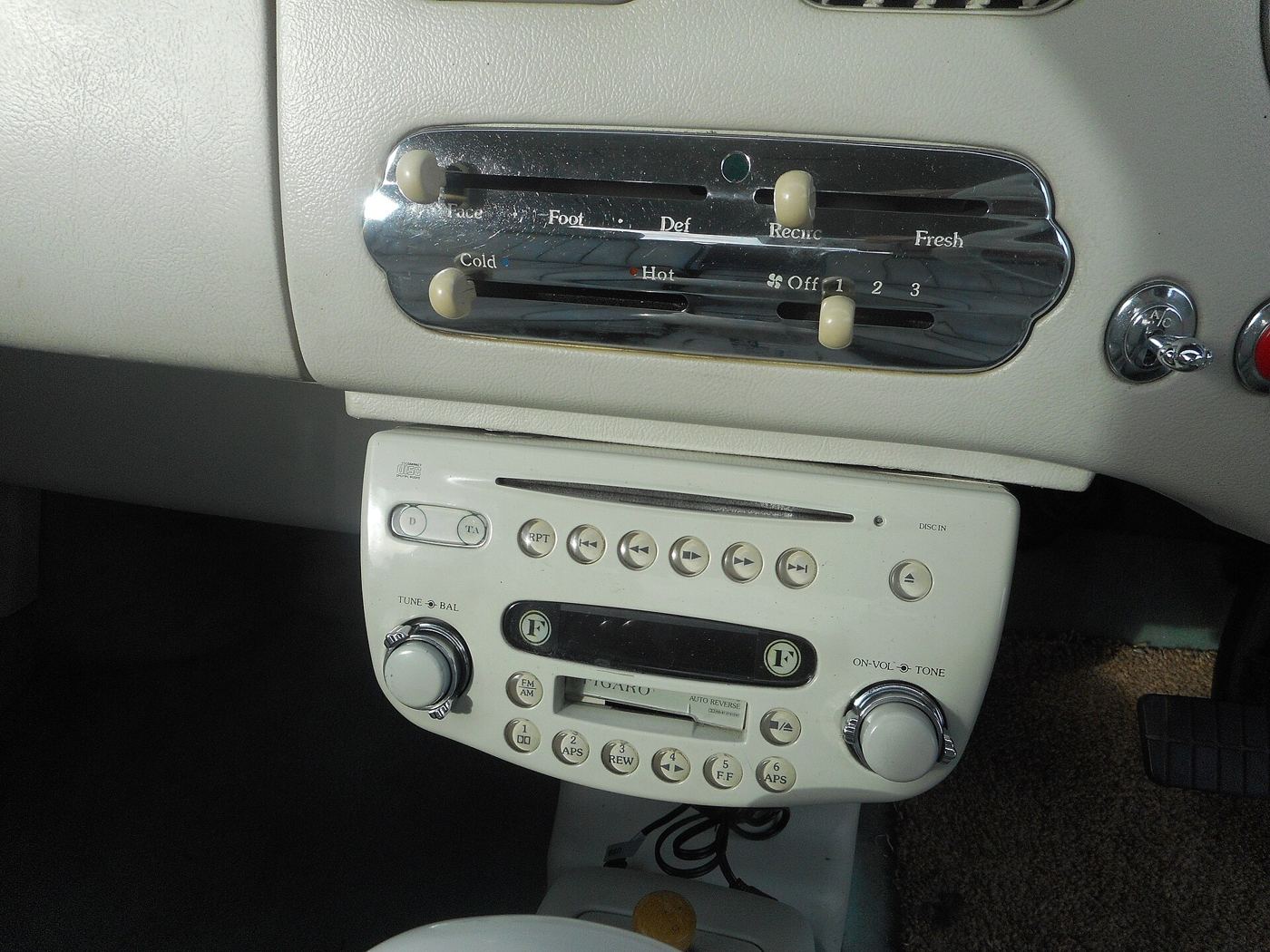
Why the car is so peculiar
The cabin is small and closed. The walls are close and low frequencies build up. Below a certain frequency the cabin behaves almost like a pressure box: deep bass is reinforced naturally. That is why a bass-heavy song can sound bloated and boomy in a car.
Road noise. Engine, tyres, wind: a constant noise concentrated mostly in the low and low-mid frequencies. It masks details, quiet sounds and part of the bass. The driver turns up the volume, and at high volume the song’s balance changes again.
The speakers are in the wrong places. Low in the doors, on the dashboard, at the back. The driver sits much closer to one speaker than the other, and the brain places the sound towards the nearer one. The whole stereo image shifts to one side.
The surfaces. Glass reflects, seats absorb. Every car sounds different.
The system. Many cars have preset EQs, boost bass at low volume or adjust volume with speed.
What happens on each system
Phone. The speakers are tiny: below a certain frequency they reproduce almost nothing. Kick and bass are heard only through their harmonics, the higher frequencies they generate.
Car. Boosted bass, background noise, stereo shifted to one side.
Headphones. They isolate from noise and every detail feels closer. But each ear hears only its own channel, and stereo sounds wider than it really is.
Living-room speakers. The room adds reflections and reinforces some notes more than others.
Club. Very high levels, powerful low-end systems, often mono.
| System | Typical problem | What the mix must ensure |
|---|---|---|
| Phone | bass disappears | harmonics on kick and bass |
| Car | boomy bass, noise | controlled lows, clear vocal |
| Headphones | exaggerated stereo | good mono compatibility |
| Living room | room booms | tonal balance |
| Club | level, mono | mono lows, solid dynamics |
A well-made mix does not sound perfect anywhere. It sounds good everywhere.
The key concept: translation
In studio jargon a mix “translates” well when it keeps its balance across different systems. It does not mean it sounds identical everywhere: that is impossible. It means the vocal is always understandable, the bass is always there, nothing disappears and nothing explodes.
A mix that only sounds perfect in the room where it was made is usually compensating for that room’s flaws. Outside it, those compensations become mistakes.
How I work
I listen on several systems. Large and small monitors, headphones, mono, a small speaker. Each one reveals a different flaw.
I check the low end. Kick and bass must be heard on a small system, through harmonics, and must not boom on a large one.
I check the vocal. It must stay in front even with background noise. One trick is listening very quietly: if the vocal is still understandable, it is in the right place.
I check mono. In the car, in clubs and on many speakers the signal arrives more or less summed. If something disappears in mono, it is a phase problem.
I compare with references. Songs in the same genre that I know sound right on every system.
More in the articles on phase and mono compatibility and reference tracks.
If you make music: your car test
- Export the mix and put it on your phone.
- First play a reference track you know well, at the same level.
- Play yours, while driving and parked.
- Note a few things: is the vocal understandable? Is the bass boomy or missing? Are the highs harsh?
- Fix it in the studio with small moves, then repeat.
Do not fix everything you hear in the car: fix what you hear in the car and on at least one other system.
If you listen to music: how to improve your car
- Set the EQ to “flat” and turn off “surround” or “stadium” effects.
- Centre the balance, or use the driver-seat optimisation if your car has it.
- Use quality sources: cable, CarPlay or Android Auto sound better than an old Bluetooth connection.
Frequently asked questions
Why do I hear too much bass in the car? The cabin reinforces low frequencies. If the song already has a lot, it becomes too much.
Why does the vocal disappear on the motorway? Road noise masks part of the low and mid frequencies. A vocal well present in the mids holds up better.
Should I make a separate mix for the car? No. You need a mix that translates well, and the car is one of the tests.